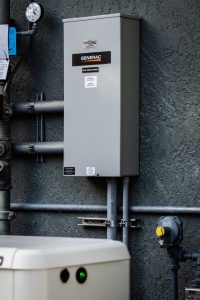
Your automatic transfer switch (ATS) serves as the critical link between your building’s main electrical supply and your backup generator system. When the power goes out, this essential component automatically detects the outage and seamlessly transfers your electrical load to your generator. However, like all electrical equipment, automatic transfer switches can develop problems over time that require professional attention. Understanding the warning signs of a failing transfer switch can save you from costly downtime, prevent equipment damage, and ensure your backup power system functions when you need it most. So, how do I know if my automatic transfer switch needs repair or replacement?
Generator Won’t Start During Power Outages
One of the most obvious signs of automatic transfer switch problems is when your generator fails to start during a power outage. Your ATS contains sensitive control circuits that monitor incoming utility power and send start signals to your generator when an outage is detected. If these control circuits malfunction due to damaged relays, worn contactors, or faulty sensors, your generator may never receive the command to start.
This issue can be particularly frustrating because you may not discover the problem until you actually need backup power. Regular testing and maintenance of your automatic transfer switch can help identify these control circuit issues before they leave you without power during an emergency.
Flickering Lights and Power Quality Issues During Transfer
When functioning properly, an automatic transfer switch should provide smooth, seamless transitions between utility power and generator power. If you notice flickering lights, voltage fluctuations, or brief power interruptions during the transfer process, this indicates potential problems with your ATS components.
These power quality issues often stem from worn or pitted transfer switch contacts that no longer make clean electrical connections. Over time, the mechanical switching contacts in your ATS can become corroded or damaged from repeated switching operations, leading to poor electrical contact and power quality problems.
Burning Smells and Electrical Odors
Any burning smell coming from your automatic transfer switch enclosure is a serious safety concern that requires immediate professional attention. Burning odors typically indicate overheating components, arcing contacts, or damaged wiring within the transfer switch.
These conditions can pose fire hazards and may lead to complete system failure if not addressed promptly. Common causes of overheating in automatic transfer switches include loose electrical connections, overloaded circuits, and failing contactors or relays that draw excessive current during operation.
Visible Corrosion and Physical Damage
Regular visual inspection of your automatic transfer switch can reveal important clues about its condition. Look for signs of corrosion on electrical contacts, rust on metal components, or physical damage to the enclosure. Environmental factors like moisture, salt air, and temperature extremes can accelerate corrosion and deterioration of critical ATS components.
Pay particular attention to the condition of electrical connections, as loose or corroded connections can cause voltage drops, overheating, and eventual component failure. If you notice any signs of physical damage or deterioration, schedule a professional inspection to assess the extent of the problem.
Error Codes and Generator Display Warnings
Modern automatic transfer switches often communicate with generator control panels to provide diagnostic information about system status. If your generator display shows error codes related to the transfer switch or indicates communication problems between the ATS and generator, this signals potential issues with the control circuits or communication wiring.
These error codes can indicate problems ranging from simple communication faults to serious control system failures. Professional diagnosis is typically required to interpret these codes and determine the appropriate repair or replacement strategy.
Age-Related Automatic Transfer Switch Issues
Like all electrical equipment, automatic transfer switches have finite service lives. Most quality ATS units are designed to last 15-20 years under normal operating conditions, but units that have experienced frequent power outages or harsh environmental conditions may require attention sooner.
Older transfer switches may use obsolete components that are difficult to obtain for repairs, making replacement the more practical option. Additionally, newer ATS models often feature improved reliability, better diagnostic capabilities, and enhanced safety features that make upgrading worthwhile.
When Multiple Power Outages Take Their Toll
If your automatic transfer switch has been through numerous power outages over its service life, the mechanical and electrical components may show signs of wear from repeated switching operations. Each transfer cycle places stress on contactors, relays, and mechanical linkages within the ATS.
Buildings in areas prone to frequent power outages or severe weather may find their transfer switches require more frequent maintenance or earlier replacement than units in more stable electrical environments.
Professional Inspection and Testing Services
Determining whether your automatic transfer switch needs repair or replacement requires specialized knowledge and testing equipment. East-West Electric’s certified ATS technicians can perform comprehensive diagnostic evaluations that include:
- Electrical testing of all control circuits and switching contacts
- Inspection of mechanical components and operating mechanisms
- Analysis of protective relay settings and timing functions
- Verification of proper communication between the ATS and generator
- Assessment of overall system performance and reliability
The Importance of Preventive Maintenance
Regular maintenance is the key to maximizing the life and reliability of your automatic transfer switch. Preventive maintenance services can identify developing problems before they cause system failures, helping you avoid costly emergency repairs and ensuring your backup power system remains ready when needed.
Professional maintenance includes cleaning and inspection of electrical contacts, testing of control circuits, verification of proper operation sequences, and replacement of worn components before they fail.
How Do I Know If My Automatic Transfer Switch Needs Repair or Replacement?
Recognizing the warning signs of automatic transfer switch problems is essential for maintaining reliable backup power protection. Whether you’re experiencing generator starting issues, power quality problems during transfers, unusual odors, or visible component deterioration, prompt professional attention can prevent more serious problems and costly downtime.
Don’t wait until your next power outage to discover transfer switch problems. Contact East-West Electric today through our contact page for a free consultation and diagnostic evaluation of your automatic transfer switch system. Our experienced ATS technicians can help determine whether repair or replacement is the best solution for your specific situation.
Meta Description: Learn the key warning signs that your automatic transfer switch needs repair or replacement. Expert guidance from East-West Electric on ATS troubleshooting and maintenance.