
As your business grows, so do your electrical demands. Whether you’re expanding warehouse operations or safeguarding secondary offices against power disruptions, upgrading your electrical infrastructure is essential for maintaining productivity and protecting critical systems. In this guide, we’ll explore the key considerations for warehouse power upgrades and implementing Uninterruptible Power Supply (UPS) backup systems.
Why Warehouse Power Upgrades Matter
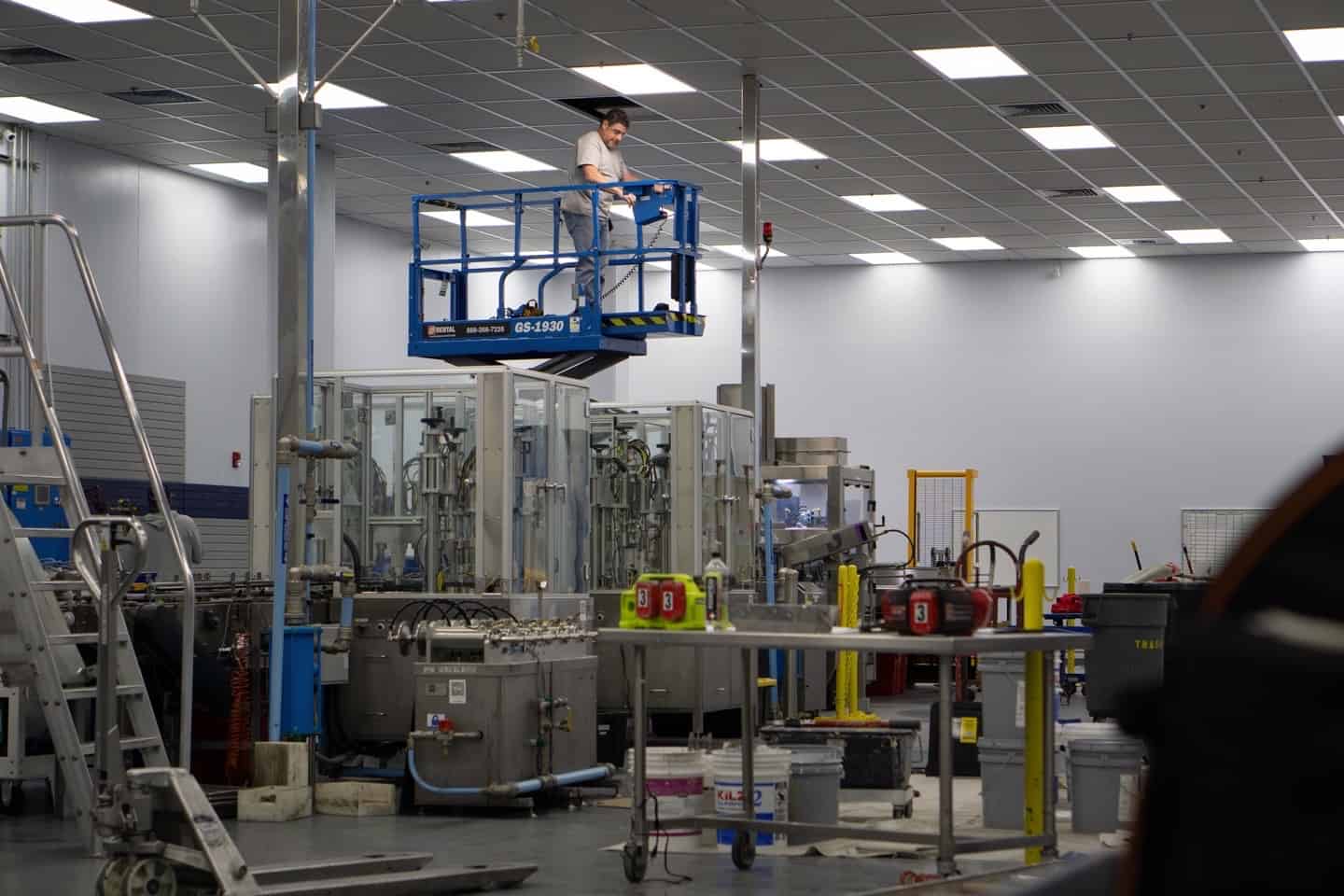
Modern warehouses are power-intensive environments. From conveyor systems and automated machinery to climate control and advanced inventory management technology, today’s facilities require significantly more electrical capacity than ever before. An inadequate power supply doesn’t just slow operations—it creates safety hazards, equipment damage risks, and costly downtime.
Signs Your Warehouse Needs a Power Upgrade
If you’re experiencing frequent circuit breaker trips, flickering lights during peak operations, or limitations on adding new equipment, your electrical system is likely reaching its capacity. Older warehouses built decades ago simply weren’t designed to handle modern electrical loads. Upgrading your power infrastructure ensures your facility can support current operations while providing headroom for future expansion.
Beyond capacity issues, outdated electrical systems pose serious safety concerns. Overloaded circuits generate excessive heat, increasing fire risks and potentially violating building codes. A professional electrical assessment can identify these vulnerabilities before they become critical problems.
Planning Your Warehouse Electrical Upgrade
A successful warehouse power upgrade begins with a comprehensive electrical load assessment. This analysis examines your current power consumption, identifies peak demand periods, and projects future electrical needs based on your growth plans. Professional commercial electricians use this data to design a system that balances immediate requirements with long-term scalability.
Key Components of Warehouse Power Systems
Upgrading warehouse power typically involves several critical elements. Your main electrical service may need to be increased, requiring coordination with your utility provider. This often means installing larger transformers, upgraded main distribution panels, and additional circuit breakers rated for higher amperages.
Proper distribution throughout your facility is equally important. Strategic placement of sub-panels ensures power is efficiently delivered where needed, reducing voltage drop and improving equipment performance. Modern electrical designs also incorporate dedicated circuits for high-demand equipment, preventing power quality issues that can damage sensitive machinery.
Three-phase power systems are standard in commercial warehouses, providing efficient electricity distribution for heavy machinery and HVAC systems. If your facility currently operates on single-phase power, converting to three-phase can dramatically improve efficiency and reduce operating costs.
The Critical Role of UPS Backup Systems
While warehouse power upgrades address capacity and distribution, Uninterruptible Power Supply systems protect against power disruptions. For secondary offices and administrative areas, UPS systems are essential for maintaining business continuity during outages, brownouts, and power surges.
How UPS Systems Protect Your Business
A UPS system provides immediate battery backup power when main power fails, ensuring computers, servers, phone systems, and other critical equipment remain operational. Unlike generators that require startup time, UPS systems engage instantaneously, preventing data loss and system crashes during even momentary power interruptions.
Modern UPS technology offers varying levels of protection based on your specific needs. From basic standby units for individual workstations to sophisticated online double-conversion systems for server rooms, the right UPS configuration depends on your equipment sensitivity and required runtime.
Choosing the Right UPS System for Secondary Offices
Secondary office locations often house critical business functions—accounting, human resources, customer service, and administrative operations. A power outage at these locations can halt business operations just as effectively as a warehouse shutdown.
UPS System Sizing and Configuration
Properly sizing a UPS system requires calculating the total power load of protected equipment and determining how long backup power must be maintained. A typical office workstation draws 200-400 watts, while servers and networking equipment may require significantly more. Professional electrical engineers factor in both current loads and anticipated growth when designing UPS systems.
Runtime requirements vary by application. Basic desktop computer protection might only need 10-15 minutes—enough time for controlled shutdowns. Server rooms and critical communication systems often require 30 minutes to several hours of backup power, potentially supplemented by generator systems for extended outages.
Installation Considerations for Commercial UPS Systems
UPS installation goes beyond simply plugging in a battery backup unit. Commercial-grade systems require proper electrical infrastructure, including dedicated circuits, appropriate grounding, and adequate ventilation for heat dissipation. Battery banks for larger systems need climate-controlled environments to maintain performance and longevity.
Integration with existing building management systems allows for remote monitoring and automated notifications when power issues occur. This connectivity enables IT staff to respond proactively to power problems, even when off-site.
Energy Efficiency and Cost Considerations
While electrical upgrades and UPS systems represent significant investments, they deliver substantial returns through improved efficiency, reduced downtime, and equipment protection. Modern electrical systems minimize power waste through better load balancing and power factor correction. UPS systems prevent costly equipment damage and data loss that can result from power fluctuations.
Energy-efficient transformers, LED lighting integration during upgrades, and smart power distribution reduce ongoing operational costs. Many businesses find that reduced energy consumption offsets upgrade costs within a few years while providing infrastructure that supports decades of future growth.
Working With Professional Commercial Electricians
Warehouse power upgrades and UPS system installations require expertise in commercial electrical systems, building codes, and utility coordination. Professional electrical contractors handle permit requirements, ensure code compliance, and coordinate with utility providers for service upgrades.
Experienced commercial electricians and electrical engineers also minimize disruption to ongoing operations by strategically scheduling work during off-peak hours or planned shutdowns. They understand the complexities of maintaining business continuity while performing major electrical work.
Taking the Next Step
Upgrading your warehouse electrical capacity and implementing UPS backup systems for secondary offices are investments in your business’s operational reliability and future growth. These improvements protect your equipment, ensure business continuity, and provide the electrical infrastructure needed to support evolving technology and expanding operations.
Whether you’re experiencing current power limitations or planning for future expansion, a professional electrical assessment is the first step toward a more capable, reliable electrical system. Don’t wait until power problems interrupt operations or damage expensive equipment.
Upgrading Warehouse Power and Adding UPS Backup Systems
Ready to discuss your warehouse power upgrade or UPS backup system needs? Contact East-West Electric today for a free consultation. Our experienced team of industrial electricians and electrical engineers will assess your facility, provide detailed recommendations, and design a solution tailored to your specific requirements.