
Clean rooms represent some of the most demanding electrical environments in industrial facilities. These meticulously controlled spaces require specialized electrical infrastructure that maintains precise environmental conditions while meeting stringent industry standards. Whether you’re in pharmaceuticals, biotechnology, electronics manufacturing, or medical device production, understanding clean room electrical requirements is essential for maintaining compliance, operational efficiency, and product quality.
Understanding Clean Room Electrical Requirements
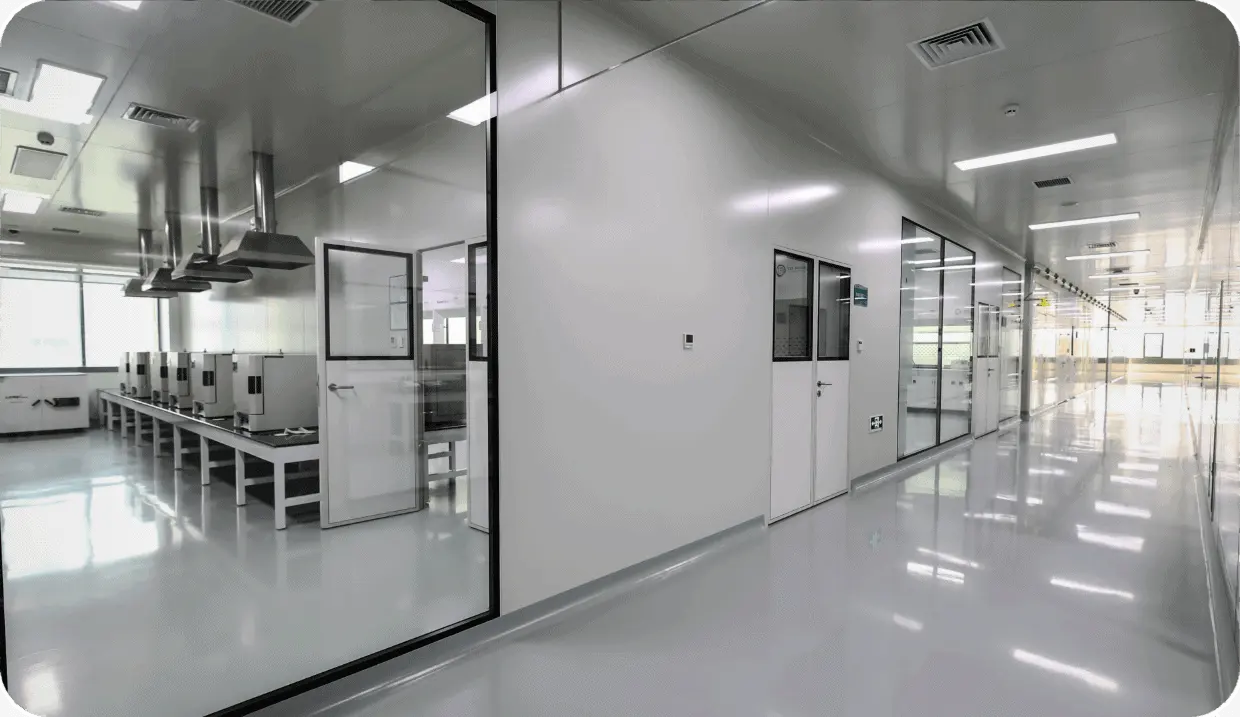
Clean rooms are far more than ordinary spaces with filtered air. These controlled environments demand electrical systems designed to support critical HVAC equipment, specialized lighting, sensitive process equipment, and monitoring systems—all while minimizing particle generation and maintaining environmental stability. Every electrical component within a clean room must serve its function without compromising the controlled environment’s integrity.
The Unique Challenges of Clean Room Power Distribution
Standard electrical installations don’t meet clean room needs. These environments require electrical systems that account for continuous operation, redundancy requirements, and specialized equipment demands. HVAC systems maintaining temperature, humidity, and pressure differentials operate 24/7, requiring robust electrical infrastructure with minimal maintenance needs to avoid production interruptions.
Power quality takes on heightened importance in clean rooms. Sensitive analytical instruments, precision manufacturing equipment, and critical monitoring systems cannot tolerate voltage fluctuations or harmonic distortions common in industrial settings. Clean room electrical designs incorporate power conditioning, dedicated circuits for sensitive equipment, and sometimes separate electrical services for critical systems.
Critical Electrical Components in Clean Room Construction
Successful clean room electrical systems integrate multiple specialized components working together to support controlled environment operations. Each element requires careful planning, precise installation, and ongoing maintenance to ensure continuous compliance with industry standards.
HVAC and Environmental Control Systems
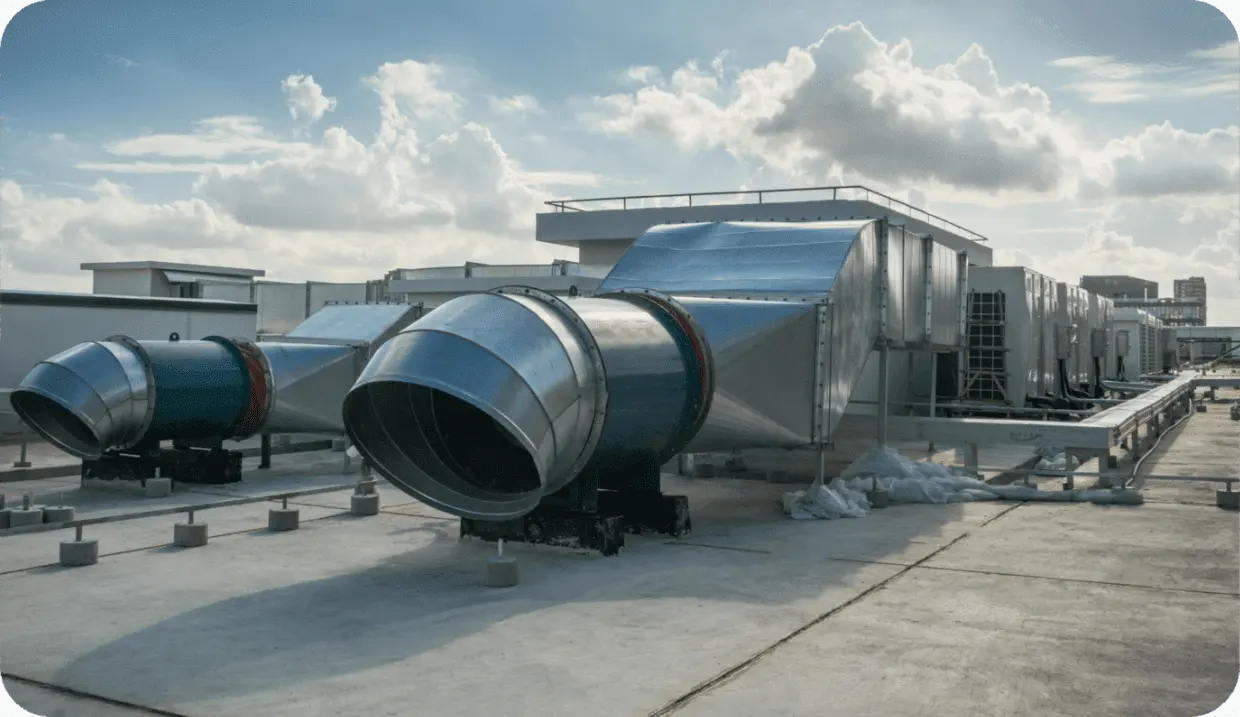
The heart of any clean room is its HVAC system, which maintains the particle-free environment through continuous air filtration and circulation. These systems consume substantial electrical power—often representing 60-70% of a clean room’s total electrical load. Fan filter units, air handling units, and specialized exhaust systems require dedicated electrical circuits with appropriate capacity and redundancy.
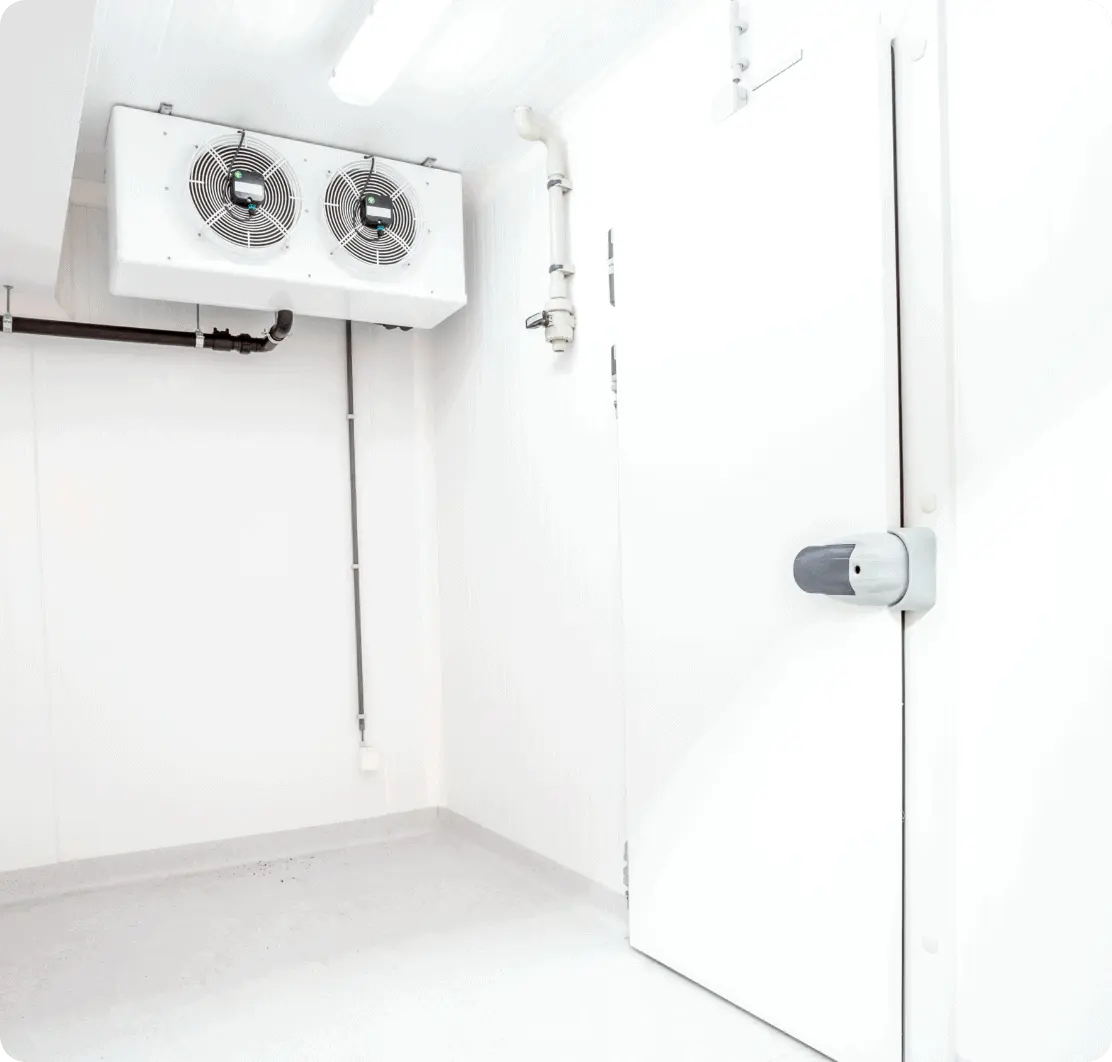
Temperature and humidity control systems demand consistent, uninterrupted power. Even brief power interruptions can cause environmental excursions that compromise production batches or research activities. Many clean room electrical designs incorporate backup power systems specifically for environmental control equipment, ensuring continuous operation even during utility outages.
Pressure differential monitoring and control systems maintain proper relationships between adjacent spaces, preventing contamination migration. These systems require reliable electrical power and often integrate with building management systems for real-time monitoring and automated responses to environmental deviations.
Specialized Clean Room Lighting
Clean room lighting serves multiple critical functions beyond simple illumination. High-quality lighting improves operator precision during detailed work, enhances inspection accuracy, and contributes to worker safety and comfort. However, traditional lighting fixtures generate heat and particles—both problematic in controlled environments.
Modern clean room lighting utilizes sealed LED fixtures that minimize particle generation while providing superior light quality and energy efficiency. These fixtures require proper electrical circuits designed for their specific electrical characteristics, including appropriate dimming controls where needed. Lighting circuits should incorporate emergency backup where production or research activities require continuous lighting during power failures.
Lighting placement and electrical routing must account for clean room construction methods. Ceiling-mounted fixtures integrate with filter modules or solid ceilings, requiring electrical installations that maintain ceiling integrity and cleanability while providing reliable power distribution.
Process Equipment Power Requirements
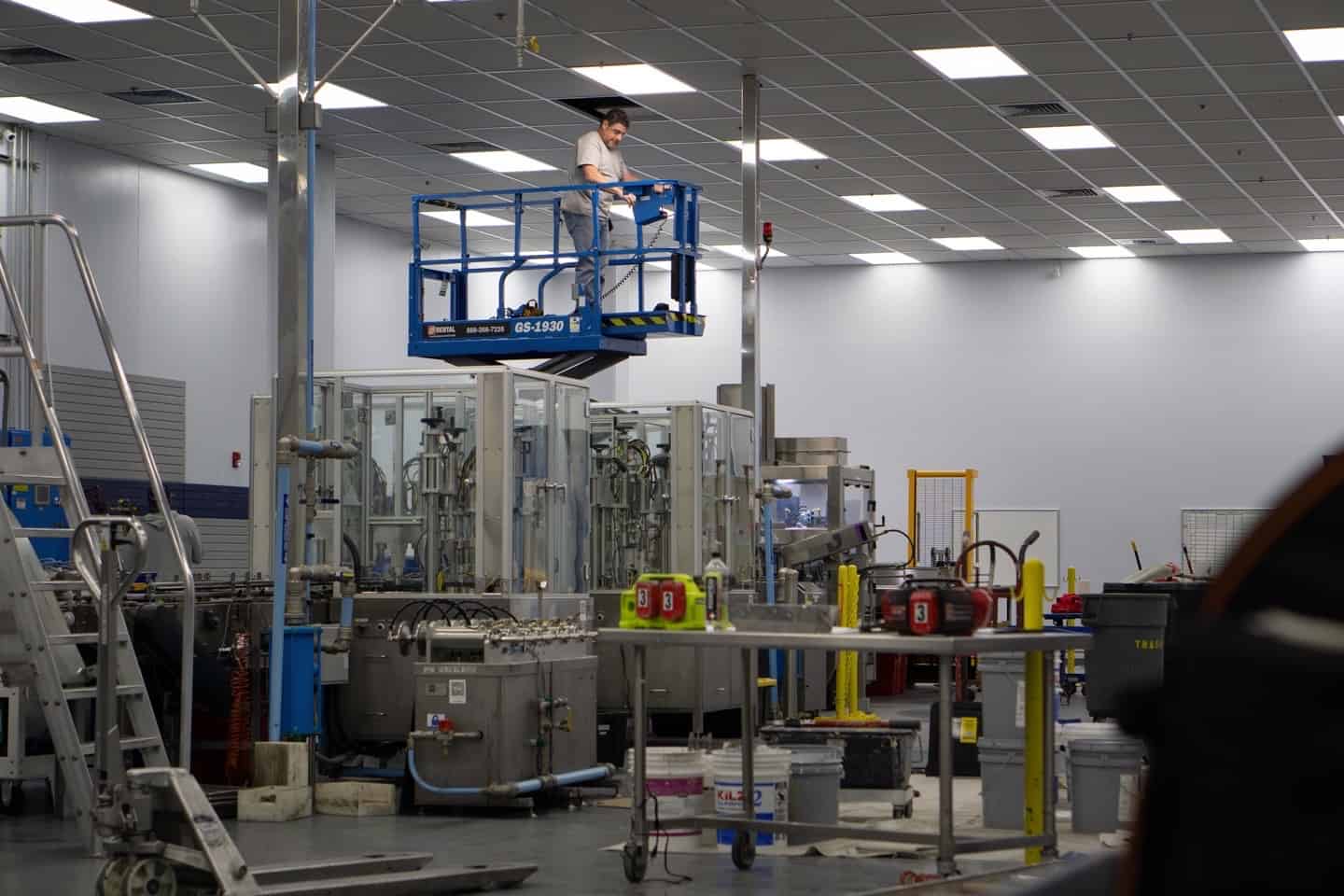
Manufacturing and research equipment in clean rooms often includes highly specialized machinery with unique electrical requirements. Analytical instruments may need ultra-clean power with minimal electrical noise. Production equipment might require three-phase power at specific voltages. Automation systems need reliable control power separate from main process power.
Electrical designs for clean rooms must accommodate diverse equipment needs while maintaining flexibility for future changes. As production processes evolve or research activities change, electrical infrastructure should support equipment modifications without major reconstruction that would compromise the controlled environment.
Compliance and Standards in Clean Room Electrical Design
Clean room electrical systems must comply with multiple overlapping standards governing electrical safety, clean room classification, and industry-specific requirements. Professional electrical engineering ensures designs meet all applicable codes while supporting operational needs.
National Electrical Code Compliance
Like all commercial electrical systems, clean room installations must meet National Electrical Code (NEC) requirements. However, clean room applications often invoke specific code sections addressing healthcare facilities, hazardous locations, or emergency systems depending on the industry and processes involved. Professional electricians experienced in clean room construction understand these nuanced requirements and design systems that ensure full compliance.
Grounding and bonding take on particular importance in clean rooms housing sensitive electronics or potentially explosive atmospheres. Proper electrical grounding protects equipment, prevents static electricity buildup, and ensures personnel safety—all critical considerations in controlled environments.
Industry-Specific Standards
Pharmaceutical clean rooms must comply with FDA regulations and Good Manufacturing Practice (GMP) requirements. Electronics manufacturing facilities follow standards addressing electrostatic discharge (ESD) protection. Medical device manufacturers adhere to ISO 13485 requirements. Each industry brings specific electrical considerations that must be incorporated into clean room electrical design.
Documentation requirements for regulated industries demand detailed electrical drawings, equipment specifications, and installation qualifications. Electrical contractors working in these environments must provide comprehensive documentation supporting validation and regulatory inspection activities.
Clean Room Electrical Expansion and Upgrades
As businesses grow and production demands increase, clean room facilities often require expansion or electrical upgrades. Adding equipment, increasing production capacity, or modifying processes can strain existing electrical infrastructure beyond its design limits.
Assessing Electrical Capacity for Expansion
Before expanding clean room operations, professional electrical assessment determines whether existing infrastructure can support additional loads. Load calculations account for new equipment, additional HVAC capacity, and increased lighting requirements. This analysis identifies whether simple circuit additions suffice or if major electrical service upgrades become necessary.
In-house engineering capabilities allow comprehensive evaluation of existing systems, power availability, and optimal paths forward. Site visits examine current electrical distribution, identify spare capacity, and determine the most cost-effective approach for supporting expansion plans. Detailed plans facilitate building department permits and ensure construction proceeds smoothly.
Minimizing Disruption During Upgrades
Clean room electrical upgrades present unique challenges since production interruptions can be extremely costly. Professional electrical contractors experienced in clean room work develop installation strategies that minimize downtime, often scheduling work during planned shutdowns or implementing phased approaches that maintain partial operations during construction.
Temporary power arrangements may allow critical systems to remain operational while permanent upgrades proceed. Careful coordination between electrical contractors, facility managers, and production personnel ensures everyone understands the project timeline and any necessary operational modifications during construction.
Maintenance and Reliability Considerations
Clean room electrical systems require ongoing maintenance to ensure continuous operation and prevent unexpected failures that could compromise production or research activities. Regular preventative maintenance identifies potential issues before they cause problems, extending equipment life and maintaining system reliability.
Preventative Maintenance Programs
Comprehensive electrical maintenance programs for clean rooms include regular inspection of critical components, testing of emergency systems, thermal imaging to identify hot connections, and verification of power quality. These activities should occur on schedules that minimize operational disruption while ensuring system reliability.
Documentation of maintenance activities supports regulatory compliance and provides historical records useful for troubleshooting and long-term planning. Detailed maintenance logs track equipment performance trends, helping identify components approaching end-of-life before they fail.
Emergency Response and Repair
Despite best efforts, electrical failures occasionally occur. Having established relationships with electrical contractors experienced in clean room environments ensures rapid response when problems arise. Contractors familiar with your facility can diagnose issues quickly and implement repairs that restore operations while maintaining clean room integrity.
Emergency repairs in clean rooms require specialized knowledge and careful execution. Simply entering a controlled environment with tools and replacement parts can compromise cleanliness if not done properly. Experienced clean room electricians understand these concerns and follow appropriate protocols that protect the environment while resolving electrical issues.
The Value of Specialized Clean Room Electrical Expertise
Clean room electrical systems represent significant investments requiring specialized knowledge for successful implementation. Electrical contractors with extensive clean room experience understand the unique requirements, regulatory landscape, and best practices that ensure these critical systems perform reliably while maintaining compliance with all applicable standards.
From initial design through construction, commissioning, and ongoing maintenance, specialized expertise ensures clean room electrical systems support your operations effectively. This knowledge prevents costly mistakes that could compromise clean room classification, damage sensitive equipment, or fail regulatory inspections.
Planning Your Clean Room Electrical Project
Whether constructing a new clean room, expanding existing facilities, or upgrading aging electrical infrastructure, professional electrical engineering and construction services ensure successful outcomes. Comprehensive planning considers current needs, future growth, regulatory requirements, and budget constraints to develop optimal solutions.
Starting with thorough evaluation of your requirements, experienced electrical contractors can develop detailed plans that obtain necessary permits, coordinate with other trades, and execute construction efficiently. This systematic approach prevents surprises, controls costs, and delivers electrical systems that reliably support your controlled environment operations.
Clean room electrical infrastructure isn’t an area for cutting corners or accepting generic solutions. The critical nature of these environments demands electrical systems designed specifically for controlled environment applications, installed by experienced professionals who understand the unique challenges and requirements.
Ready to discuss your clean room electrical needs? Whether you’re planning new construction, considering expansion, or need maintenance services for existing facilities, East-West Electric brings over 40 years of clean room electrical experience to every project. Our in-house industrial electrical engineering capabilities and deep understanding of pharmaceutical, biotechnology, electronics, and medical device industry requirements ensure your clean room electrical systems meet all standards while supporting your operational goals. Contact us today for a free consultation and discover how our specialized expertise can benefit your controlled environment facility.